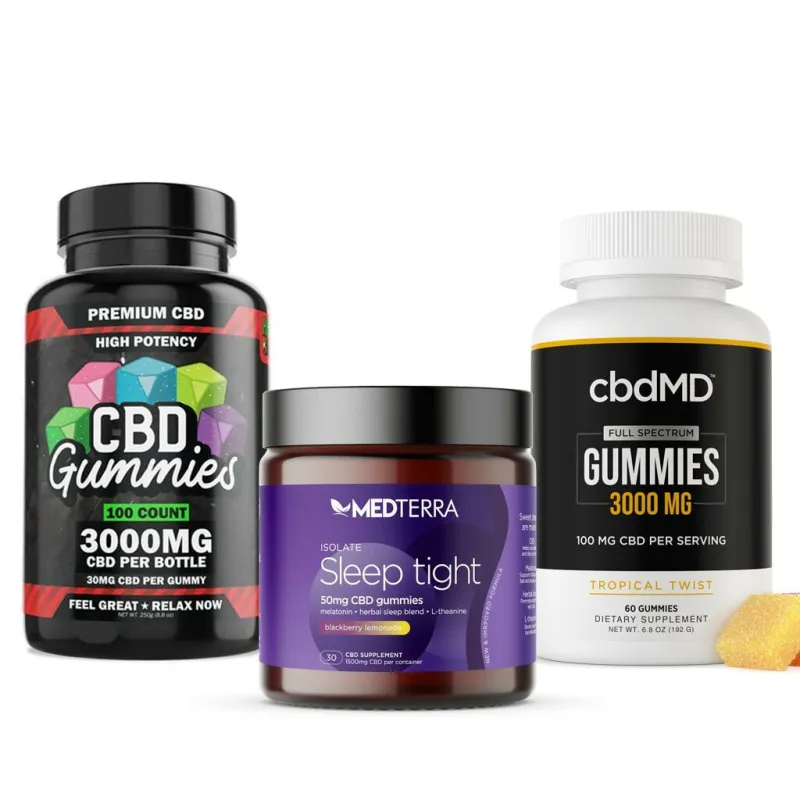
Real Athletes, Real Talk: What Happened When They Added CBD Gummies to Their Recovery Routine
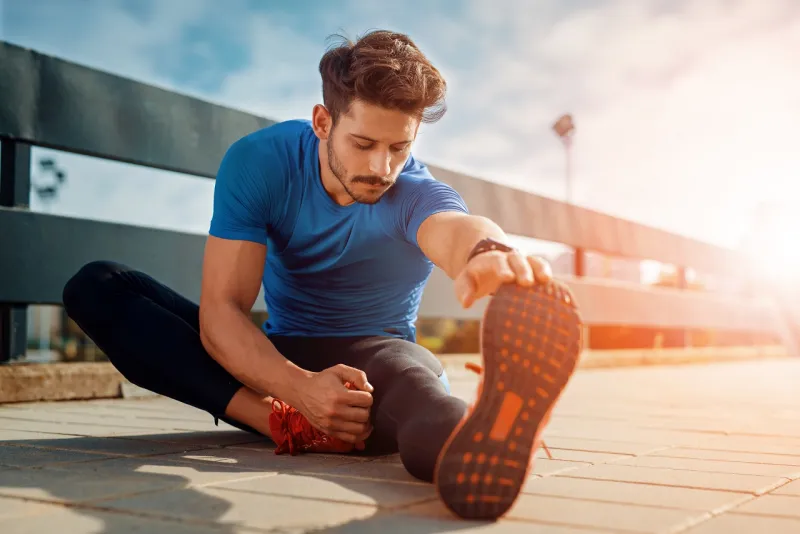
Photo: athlete stretching recovery after workout with healthy supplements, via goqii.com
Somewhere between the protein shake and the foam roller, CBD gummies have quietly found a spot in a lot of gym bags and post-run routines across the country. You see it at CrossFit boxes in Austin, in the locker rooms of yoga studios in Denver, in the group chats of running clubs from Portland to Pittsburgh.
But is it actually doing anything? Or is it just the wellness version of a lucky charm — something people swear by because they want it to work?
We went looking for honest answers. What we found was more nuanced — and more interesting — than either the hype or the skepticism would suggest.
Why the Active Community Got Interested in the First Place
The backstory here matters. In 2018, the World Anti-Doping Agency (WADA) removed CBD from its list of prohibited substances. That was a signal — not just to elite athletes, but to the broader fitness world — that CBD was worth taking seriously as a recovery tool.
Around the same time, the Farm Bill federally legalized hemp-derived CBD in the United States, which opened the floodgates on product availability. Suddenly, CBD gummies weren't just at specialty health shops — they were at gas stations, supplement stores, and, yes, all over Instagram.
The combination of legitimacy and accessibility created a massive natural experiment: millions of active Americans started adding CBD to their routines, and they started talking about what happened.
What the Research Actually Shows (And What It Doesn't)
Let's be straight with you: the clinical research on CBD and exercise recovery is still early. Most of the compelling studies have been done in animal models or in small human trials that haven't yet been replicated at scale. That's not a knock on CBD — it's just where the science is right now.
Here's what the emerging evidence does suggest:
Inflammation modulation. Exercise-induced inflammation is a normal, necessary part of getting stronger — your muscles literally need to break down a little to rebuild. But excessive or chronic inflammation can slow recovery and contribute to soreness that lingers longer than it should. CBD's interaction with the endocannabinoid system appears to influence inflammatory signaling pathways, though researchers are still mapping exactly how and to what degree in exercising humans.
Nervous system regulation. Hard training isn't just physically taxing — it activates your sympathetic nervous system (your fight-or-flight response). Recovery requires your parasympathetic system (rest-and-digest) to take over. Some researchers believe CBD may support that transition, though the evidence in athletic populations specifically is limited.
Sleep quality. This one has the most practical support. Sleep is arguably the single most important recovery tool that exists, and there's a reasonable body of evidence suggesting CBD may improve sleep quality in people dealing with anxiety or discomfort that disrupts rest. For athletes who train hard and need deep recovery sleep, that's not a trivial benefit if it holds up for them individually.
Runners: The Long-Game Perspective
Marathon and half-marathon runners tend to be methodical people. They log miles, track splits, and analyze their data. So it's not surprising that the runners we heard from approached CBD with the same mindset.
Marcus, a 38-year-old runner from Nashville who averages about 40 miles a week, started experimenting with CBD gummies about eight months ago after a particularly brutal training block left his legs feeling perpetually beat up.
"I wasn't expecting a miracle," he says. "I just wanted to see if it helped me sleep better after long runs, because that was genuinely my biggest problem. My legs would ache, I'd lie there for an hour, and I'd wake up still tired."
His verdict after eight months? "Sleep got noticeably better within a couple weeks. The soreness is still there — I'm not going to pretend it disappeared — but I feel like I'm actually recovering from it instead of just enduring it."
He takes one gummy about an hour before bed on hard training days and leaves them alone on easy days. Simple, consistent, and calibrated to his actual needs.
Weightlifters: Managing the Day-After Effect
Delayed onset muscle soreness — DOMS — is the gift nobody asked for. That stiffness that peaks 24 to 48 hours after a heavy lift is familiar to anyone who's ever pushed themselves in the gym.
Jamila, a 29-year-old powerlifter from Atlanta, started using CBD gummies specifically to see if she could shorten the duration of her worst DOMS episodes. She's been lifting competitively for four years and was skeptical going in.
"I've tried everything," she says with a laugh. "Ice baths, compression, tart cherry juice, you name it. CBD was just the next thing on the list."
After about six weeks of consistent use — one gummy post-workout and one before bed on heavy lift days — she noticed something she describes as "less of a ceiling" on her worst recovery days. "I still get sore. But I'm not as stuck in it. I can move through it faster."
She's careful to note she didn't change anything else in her routine during that period, which gives her some confidence the CBD was contributing. But she's also honest: "It's hard to know for sure. There are too many variables."
Yoga Practitioners: A Different Kind of Recovery
Not all recovery is about muscle repair. For yoga practitioners, recovery often means nervous system reset — coming down from a stressful week, releasing chronic tension, and finding the mental space to actually be present on the mat.
Derek, a 44-year-old who practices hot yoga four times a week in Phoenix, started taking CBD gummies not for physical recovery but for the anxiety that was making it hard to get out of his own head during practice.
"I'd be in class and my brain would just be running," he says. "To-do lists, work stuff. I wasn't actually there."
He started taking a gummy about 45 minutes before his evening classes. "Within a few weeks, I noticed I was actually dropping in faster. Less mental static. I don't know if that's the CBD or placebo, but honestly? I don't really care. It works for me."
The Honest Bottom Line for Active People
Here's what we'd tell someone who's curious but skeptical: the evidence is promising but not definitive. The people who seem to get the most out of CBD for recovery are the ones who approach it as one tool among many — not a replacement for sleep, nutrition, hydration, and smart programming, but a potential complement to all of those.
If you're going to try it, a few practical notes:
- Timing matters. For post-workout recovery, many athletes take their gummy within an hour of finishing. For sleep quality, 45–60 minutes before bed is a common approach.
- Consistency beats occasional use. Most people who report meaningful results have been using CBD consistently for at least 3–4 weeks.
- Quality is non-negotiable. Look for products with third-party lab testing and clear sourcing. What's in the gummy matters as much as when you take it.
- Start low. Especially if you're new to CBD. You can always adjust up; you can't un-take a dose that's more than you needed.
The gym isn't going anywhere. Neither is the recovery conversation. CBD gummies are one more option on the table — and for a lot of active Americans, they're proving worth the experiment.