Heat, Light, and Moisture: The Hidden Forces Quietly Destroying Your CBD Gummies
You bought a quality product. You checked the third-party lab reports, read the ingredient list, maybe even looked up where the hemp was sourced. But if you've been tossing your gummies into a kitchen drawer near the stove or leaving them on a windowsill, you might be undoing all of that careful shopping without even realizing it.
CBD is a surprisingly fragile compound. The same natural origins that make it appealing also make it vulnerable to the world around it. Temperature swings, exposure to light, and ambient humidity aren't just vague concerns on a product label — they're active forces working against the potency of every gummy in that bag.
Let's break down what's actually going on.
Why CBD Degrades in the First Place
Cannabidiol (CBD) is a phytocannabinoid — a fat-soluble compound derived from the hemp plant. Like most organic molecules, it doesn't love chaos. When exposed to stressors like heat or UV radiation, the molecular structure of CBD begins to break down through a process called oxidation. Oxygen molecules interact with CBD, gradually converting it into other compounds — including CBN (cannabinol), which has different and generally weaker effects.
Research published in journals studying cannabinoid stability has found that improper storage can accelerate potency loss significantly. While a sealed, properly stored CBD product might retain most of its potency for 12 to 24 months, poor environmental conditions can shorten that window to a matter of weeks. One study examining cannabis-derived compounds found that exposure to light was the single biggest driver of degradation — even more impactful than temperature alone.
For gummies specifically, the situation is a little more complicated than it would be for, say, a CBD oil in a dark amber bottle. The sugars, gelatin (or pectin), and flavorings in a gummy create additional vulnerability points. Moisture causes gummies to clump, grow sticky, or develop mold. Heat melts them together and can cause the CBD infusion to separate unevenly. Light speeds up the oxidation process across the entire product.
The Temperature Problem: It's Not Just About Melting
Most people understand that leaving gummies in a hot car is a bad idea — they'll melt into a single sad blob. But the temperature issue runs deeper than texture.
Heat accelerates chemical reactions. For CBD, that means the oxidation process that would normally take months can happen in days under high-heat conditions. Research on cannabinoid degradation suggests that for every 10°C (about 18°F) increase in storage temperature, the rate of chemical breakdown roughly doubles. That's not a minor difference — it's the kind of variable that can cut your gummies' effective lifespan in half before you've finished the bag.
The sweet spot for CBD gummy storage is a consistently cool environment — ideally between 60°F and 70°F. That rules out most kitchen counters in the summer, the inside of a gym bag, your car's center console, and yes, that bathroom cabinet where so many people keep their supplements (bathrooms cycle between warm and steamy multiple times a day).
Refrigeration is a legitimate option and can extend shelf life noticeably. The main downside is texture — cold gummies get firmer and sometimes sweat condensation when brought back to room temperature repeatedly, which introduces the moisture problem. If you go the fridge route, keep your gummies in an airtight container and try not to move them in and out constantly.
Freezing is more controversial. It does slow degradation effectively, but the freeze-thaw cycle can affect texture significantly, and some users report changes in flavor after freezing. If you've bought in bulk and want to preserve a long-term stash, freezing in small, sealed portions — pulling out only what you'll use in a week or two — is a reasonable approach.
Light Exposure: The Fastest Way to Wreck Your Stash
Ultraviolet light is essentially an accelerant for oxidation. It energizes the molecules in CBD, speeding up the breakdown process dramatically. This is why pharmaceutical-grade products and high-quality CBD oils typically come in dark amber or opaque packaging — it's not just aesthetics.
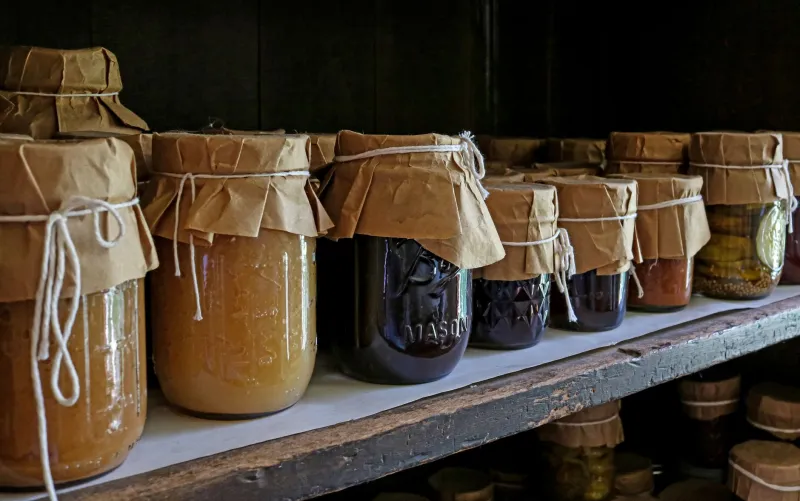
The problem is that once you open a package of gummies, you're often transferring them to whatever container is handy. Clear glass jars look beautiful on a counter but offer zero UV protection. Plastic bags left near a window are essentially solar-powered degradation machines.
Direct sunlight is obviously the worst offender, but indirect light and even consistent indoor lighting can contribute to potency loss over time. The practical fix is straightforward: store your gummies somewhere dark. A cupboard, a drawer, a pantry shelf away from the stove — all of these beat any spot where light regularly reaches them.
If you want a container upgrade, look for opaque or dark-tinted options that block light entirely. Some CBD users repurpose small dark glass jars originally designed for spices or cosmetics. The goal is simple: keep the photons away from your cannabinoids.
Humidity: The Sneaky One
Moisture doesn't get as much attention as heat or light, but it might be the most practically disruptive factor for gummies specifically. Humidity causes several problems simultaneously.
First, it affects texture — gummies become sticky, clump together, and can eventually develop a tacky surface that makes them unpleasant to handle. Second, moisture creates an environment where microbial growth becomes possible, especially if your gummies contain real fruit juice or other organic ingredients. Third, excess water molecules can interact with the CBD and other active compounds, potentially affecting how they behave.
The bathroom cabinet problem comes up again here. Even if the temperature were stable (it's not), the steam from showers creates humidity spikes that cycle through the space regularly. That's a rough environment for any supplement.
Airtight containers are your best defense against humidity. The original packaging is often designed with this in mind — resealable pouches with quality zippers, bottles with tight-fitting caps. If you're transferring gummies to another container, make sure it seals completely. Silica gel packets (the kind you find in shoe boxes or vitamin bottles) can be added to your storage container to absorb ambient moisture without touching the gummies directly.
Building a Storage Setup That Actually Works
Putting it all together, here's what a genuinely protective storage setup looks like:
- Location: A cool, dark drawer or cabinet — not the bathroom, not near the stove, not on a sunny counter
- Container: Opaque, airtight, and appropriately sized (less air space inside means less oxygen interacting with your gummies)
- Temperature: Consistently between 60–70°F; refrigeration is fine if you're storing long-term and keep moisture in check
- Humidity control: Original packaging when possible; silica packets as a backup; avoid environments with regular steam or condensation
One more thing worth mentioning: buying in quantities you'll realistically use within a few months is smarter than stocking up heavily and hoping your storage setup holds. Even perfect conditions can't fully stop the clock on degradation — they just slow it down considerably.
At Golden Farm CBD Gummies, we put real thought into how our products are packaged because we know the journey doesn't end when it leaves our facility. But the last leg of that journey — from your front door to your body — is on you. A little attention to where and how you store your gummies goes a long way toward making sure what you're taking actually does what you're expecting it to do.
Treat your gummies like the quality supplement they are, and they'll return the favor.